Residential Gutter Covers vs Open Gutters: What Homeowners Should Know
Homeowners seeking gutter covers installation aim to reduce clogs and maintenance, and local contractors can expertly install the right system for their needs.
Homeowners exploring options for their gutter systems often encounter the choice between residential gutter covers and open gutters. Understanding the differences can help property owners make informed decisions that align with their maintenance preferences and long-term property care goals. This page offers practical insights into the benefits and considerations of each approach, emphasizing how local contractors specializing in gutter cover installation can support homeowners in achieving effective and hassle-free solutions.
Many property owners in the area are motivated to explore this topic due to common challenges such as clogged gutters, water damage, and the desire to reduce ongoing maintenance. Gutter covers can provide a convenient way to minimize debris buildup, while open gutters may appeal to those comfortable with regular cleaning. Connecting with experienced local service providers can help evaluate which system best suits individual needs, ensuring that the chosen solution enhances the home’s protection and reduces potential issues over time. Keep reading to discover key factors that can guide the decision-making process.
- Homeowners considering residential gutter covers vs open gutters may seek local pros to evaluate their property's needs and recommend appropriate installation options. - Those interested in reducing gutter maintenance often turn to local contractors experienced in installing gutter covers for long-term protection. - When dealing with frequent clogging or debris buildup, residents may contact local service providers to explore gutter cover solutions versus open gutter systems. - Homeowners wanting to improve gutter functionality might consult local pros to compare the benefits of gutter covers with traditional open gutters. - For properties prone to water damage, local contractors can help assess whether residential gutter covers or open gutters better suit the home's drainage needs.

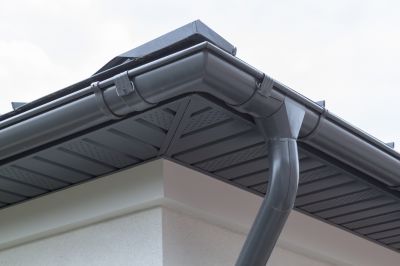
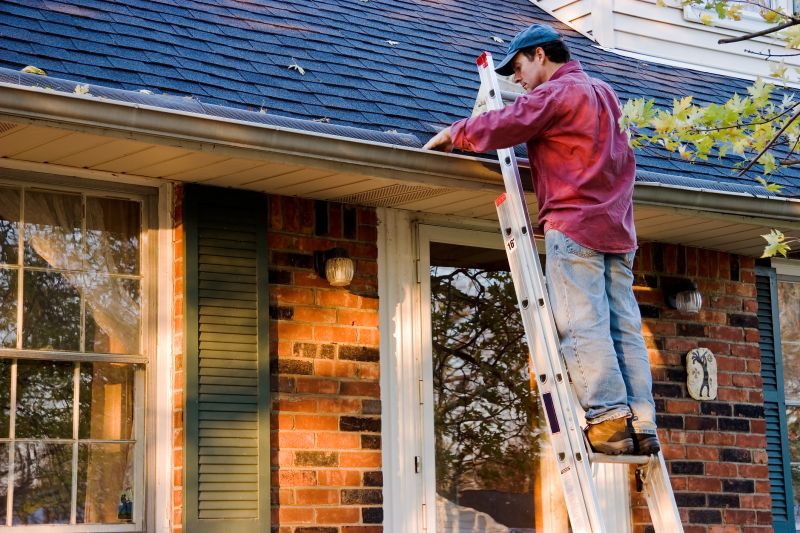
When homeowners search for information on residential gutter covers versus open gutters, they are often trying to understand which system will best protect their property from water-related issues. This comparison typically arises when considering upgrades to existing gutter systems or planning a new installation. The goal is usually to prevent common problems such as clogged gutters, water damage to the roof and foundation, and the need for frequent cleaning. Homeowners may also be exploring options that reduce maintenance efforts or improve the overall efficiency of their gutter system, making this a practical concern for those seeking long-term solutions for their homes.
The topic relates closely to properties that experience significant rainfall or have trees nearby, as these conditions tend to increase the likelihood of gutter clogging. Residential properties with multiple stories, complex rooflines, or large roof surfaces are often prime candidates for exploring gutter cover options. Homeowners with busy schedules or those who prefer to minimize routine maintenance may be particularly interested in understanding the benefits and limitations of gutter covers versus open gutters. Whether dealing with new construction or existing homes, the decision often hinges on how well each system can handle debris, prevent overflow, and reduce the need for ongoing cleaning.
Types of properties that frequently come up in discussions about gutter systems include single-family homes, townhouses, and small apartment buildings. These properties often have different needs based on their size, roof design, and surrounding landscape. For example, homes with overhanging trees or dense foliage may benefit more from gutter covers that keep debris out, while simpler, less cluttered roofs might function well with open gutters. Local contractors who specialize in gutter installation can assess these factors and recommend systems that align with the property’s unique characteristics, helping homeowners make informed choices that suit their specific circumstances.
Ultimately, understanding the differences between residential gutter covers and open gutters helps homeowners make decisions that impact the durability and maintenance of their property. Local service providers can evaluate the property’s layout, environment, and homeowner preferences to recommend the most suitable gutter system. Whether installing new covers or replacing open gutters, these professionals play a key role in ensuring the chosen solution effectively manages rainwater, minimizes upkeep, and protects the home’s structure. Proper guidance from experienced contractors helps homeowners feel confident in their investment and ensures the system works efficiently over time.
Gutter System Installations - Professionals who install residential gutter covers and open gutters often handle broader gutter system setups, requiring planning and precise execution skills.
Roofing Projects - Roofing contractors frequently work on gutter-related tasks, making their expertise valuable for integrating gutter covers with existing roof structures.
Home Exterior Renovations - Exterior remodeling projects often include gutter updates, where knowledge of different gutter systems helps ensure proper integration and functionality.
Downspout and Drainage Solutions - Installing effective drainage components complements gutter cover systems and requires similar planning and installation skills.
Soffit and Fascia Repairs - Repair work on soffits and fascias supports gutter system performance and involves understanding of gutter installation techniques.
Rainwater Management Systems - Broader projects involving rainwater diversion and management often overlap with gutter cover installation, emphasizing planning and material knowledge.
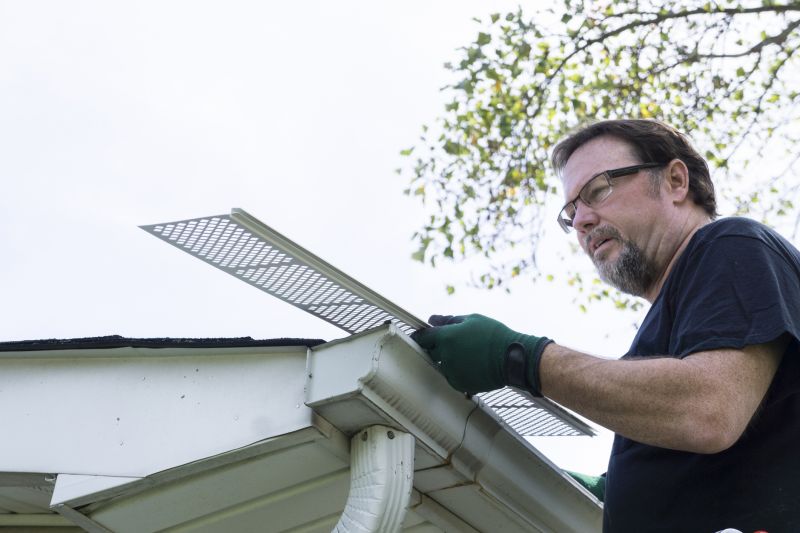
When evaluating service providers for gutter covers installation, it is important for homeowners to consider their experience with similar projects. Contractors who have handled residential gutter covers vs open gutters are more likely to understand the specific challenges and best practices associated with each system. Asking about the types of projects they have completed can provide insight into their familiarity with different gutter configurations and the nuances involved in installing effective gutter covers. This experience can help ensure that the chosen system is properly installed and suited to the home's unique needs, reducing the likelihood of issues down the line.
Clear, written expectations are essential when comparing local contractors for gutter covers installation services. Homeowners should seek providers who can provide detailed descriptions of the scope of work, materials to be used, and the installation process. This transparency helps prevent misunderstandings and ensures that both parties agree on what will be delivered. Well-defined expectations also serve as a reference point for evaluating the quality of work and can facilitate smoother communication throughout the project, leading to a more satisfactory outcome.
Reputable references and good communication are key qualities to look for in service providers. Contractors with positive references from previous clients demonstrate a track record of reliable service and quality workmanship. Additionally, clear and consistent communication from the contractor can make the process more straightforward and less stressful for homeowners. When local pros are responsive and transparent, it indicates professionalism and a commitment to customer satisfaction. Considering these factors can help homeowners select a contractor who will deliver a smooth installation experience and a result that meets their expectations.
Property owners often search for residential gutter covers vs open gutters: what homeowners should know when they are planning practical projects around their homes and businesses. Local pros provide Gutter Covers Installation services for everyday jobs and straightforward project options.
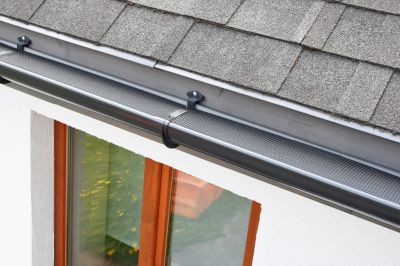

Homeowners in the area often explore the differences between residential gutter covers and open gutters when considering ways to protect their properties from water damage. Many property owners find themselves wondering if installing gutter covers could reduce the frequency of gutter cleaning or prevent debris buildup, especially during seasons with heavy leaf fall or storm activity. This topic is commonly searched by those looking for practical, long-term solutions to maintain their gutters with less effort and fewer clogs, prompting them to seek out local contractors experienced in gutter cover installation.
Choosing between residential gutter covers and open gutters can influence how effectively a home manages rainwater runoff and minimizes maintenance. Property owners might consider gutter covers as a way to keep out leaves and debris, potentially reducing the need for frequent cleaning, while open gutters offer easier access for manual maintenance. Local service providers who specialize in gutter cover installation can help homeowners evaluate their specific needs, recommend suitable options, and ensure proper setup. Connecting with experienced contractors can make it easier to determine which system aligns best with the property's requirements and the homeowner’s maintenance preferences.
What are the main differences between residential gutter covers and open gutters? Residential gutter covers are designed to prevent debris from entering the gutter system, reducing clogs, while open gutters allow debris to fall directly into the gutter, requiring more frequent cleaning. Local contractors can help determine which option best suits a home's needs.
How do gutter covers impact maintenance compared to open gutters? Gutter covers typically reduce the need for frequent cleaning by blocking leaves and debris, whereas open gutters may need regular clearing to prevent blockages. Service providers can install and maintain the system that fits a homeowner's maintenance preferences.
Are gutter covers effective in preventing water damage better than open gutters? Gutter covers can improve water flow and reduce overflow caused by debris blockages, helping protect a home from water damage. Local contractors can assess a property's drainage needs and recommend suitable solutions.
Can gutter covers be installed on existing gutters, or are they only for new installations? Many gutter covers are designed for retrofit installation on existing gutters, making them a practical upgrade. Service providers can evaluate current gutter systems and handle the installation process.
What considerations should homeowners keep in mind when choosing between gutter covers and open gutters? Homeowners should consider maintenance preferences, local weather conditions, and the type of debris common in their area. Local pros can provide guidance on the most effective gutter system for each home.
Assessing gutter needs - Homeowners can evaluate their property's current gutter system to determine if installing gutter covers might reduce debris buildup and maintenance efforts, with guidance from local contractors.
Choosing the right gutter cover style - Property owners can explore different types of gutter covers to find options that suit their roof design and local weather conditions, with advice from local service providers.
Planning installation areas - Homeowners can identify specific areas where gutter covers could improve water flow and reduce clogging, working with local pros to develop a practical installation plan.
Considering long-term maintenance - Individuals can compare how gutter covers versus open gutters impact ongoing upkeep and cleaning routines, seeking professional input to make informed decisions.
If you are thinking about residential gutter covers vs open gutters: what homeowners should know for a property, this guide is meant to help you understand this topic, the typical project types, and how different options might fit your plans.
When you are ready, you can use the quote form on this page to share a few details about your project. From there, local pros can review the basics and follow up with options that match what you have in mind.